 Add My Company

When Should You Book an NDT Inspection?
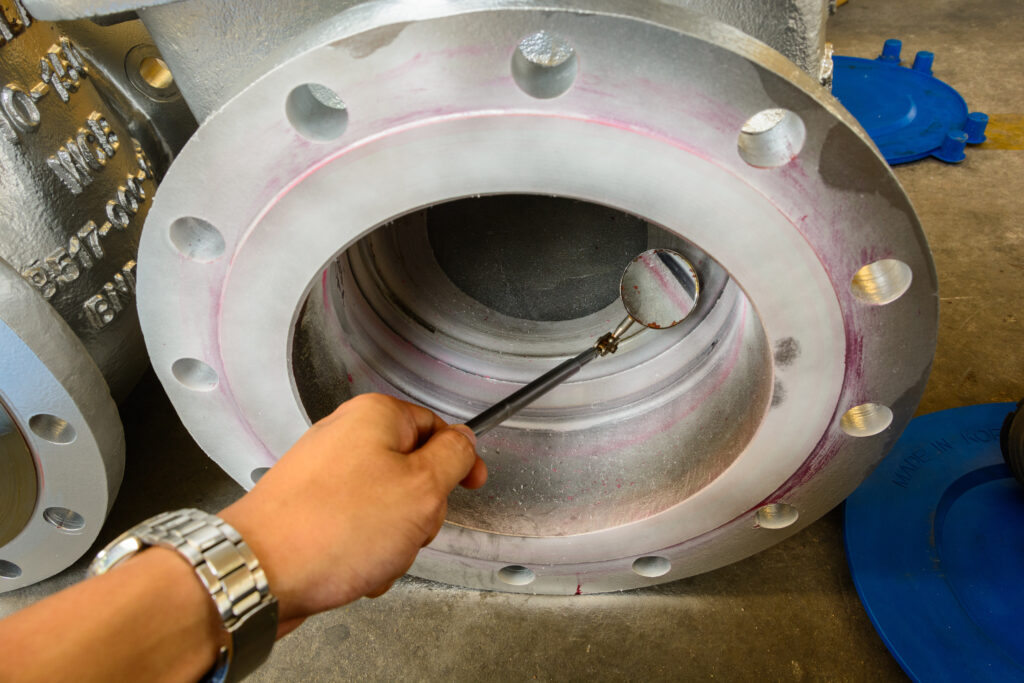
In industries where safety, compliance, and performance are critical, knowing when to book a Non-Destructive Testing (NDT) inspection can make a significant difference. NDT is a vital process that allows businesses to assess the condition of materials, components, and structures without causing damage. At Format NDT, we regularly support organisations across a wide range of sectors, helping them determine not just how inspections should be carried out, but when they are most needed.
Across the UK, demand for reliable inspection services continues to grow as businesses become more proactive in managing risk and maintaining standards. Whether working with infrastructure, manufacturing equipment, or high-performance systems, timing is everything. Our experience delivering NDT in Nottingham and across the country has shown that early and well-planned inspections can prevent costly failures and ensure long-term operational efficiency.
Understanding the Purpose of NDT Inspections
Before determining when to book an inspection, it is important to understand why NDT is so valuable. Non-Destructive Testing is used to detect defects, monitor material condition, and verify the integrity of components without affecting their usability. This makes it an essential tool for ongoing maintenance and safety assurance.
At Format NDT, we often find that businesses view inspections as a reactive measure, something to consider only when a problem is suspected. In reality, NDT is far more effective when used proactively. Regular inspections allow potential issues to be identified at an early stage, reducing the likelihood of unexpected failures and unplanned downtime.
Understanding this shift from reactive to proactive thinking is key to determining the right time to schedule an inspection.
During Initial Manufacturing and Fabrication
One of the most important times to carry out NDT inspections is during the manufacturing or fabrication stage. Components and structures must meet strict quality standards before they are put into service, and NDT provides a reliable way to verify this.
Inspections at this stage can identify defects such as cracks, porosity, or weld inconsistencies that may have occurred during production. Addressing these issues early prevents them from becoming more serious problems later on.
From our perspective at Format NDT, early-stage inspections are an essential part of quality assurance. They provide confidence that materials and components are fit for purpose and meet all relevant specifications.
Before Equipment Is Put Into Service
Once manufacturing is complete, another critical point for NDT inspection is before equipment or structures are commissioned. This stage ensures that everything is operating as intended and that no hidden defects have been overlooked.
Pre-service inspections are particularly important in industries where safety is paramount, such as oil and gas, construction, and energy. Identifying issues before equipment is put into operation helps prevent incidents and ensures compliance with regulatory standards.
At Format NDT, we work closely with clients during this phase to provide thorough inspections that support safe and successful project delivery.
As Part of Routine Maintenance
Routine maintenance is one of the most common and effective reasons to schedule NDT inspections. Over time, materials are subject to wear, stress, and environmental factors that can lead to deterioration.
Regular inspections allow businesses to monitor the condition of their assets and identify changes before they become critical. This approach supports predictive maintenance strategies, where interventions are planned based on actual condition rather than fixed schedules.
In our experience, companies that integrate NDT into their maintenance programmes benefit from improved reliability, reduced downtime, and better overall performance.
When There Are Signs of Wear or Damage
While proactive inspections are ideal, there are times when NDT is required in response to visible or suspected issues. Signs such as corrosion, unusual noises, reduced performance, or visible damage can indicate underlying problems that need to be investigated.
NDT provides a way to assess these issues without dismantling equipment or causing further disruption. Techniques such as ultrasonic testing or radiographic inspection can reveal internal defects that are not visible to the naked eye.
At Format NDT, we often assist clients in diagnosing problems quickly and accurately, helping them take the appropriate corrective action with minimal delay.
After Repairs or Modifications
Any time a component or structure has been repaired or modified, it is essential to verify that the work has been carried out correctly. NDT inspections provide assurance that repairs meet required standards and that no new defects have been introduced.
This is particularly important in critical systems where even minor issues can have serious consequences. Post-repair inspections help ensure that equipment can be safely returned to service and perform as expected.
From our perspective, this stage is often overlooked, but it is a crucial part of maintaining long-term reliability and safety.
Following Unusual Events or Incidents
Unexpected events such as impacts, overloads, or exposure to extreme conditions can compromise the integrity of materials and structures. In these situations, NDT inspections are essential to assess any potential damage.
Even if there are no obvious signs of failure, underlying issues may still exist. NDT allows for a detailed evaluation, providing clarity on whether equipment is safe to continue operating.
At Format NDT, we understand the urgency that often accompanies these scenarios. Our goal is to deliver accurate results quickly, enabling clients to make informed decisions and resume operations with confidence.
To Meet Regulatory and Compliance Requirements
In many industries, regular inspections are not just recommended but required by law. Regulatory bodies in the UK set strict standards for safety and maintenance, particularly in sectors such as construction, energy, and transportation.
NDT plays a key role in meeting these requirements, providing documented evidence that assets have been inspected and meet necessary standards. Scheduling inspections in line with regulatory guidelines is essential to avoid penalties and ensure ongoing compliance.
At Format NDT, we support our clients in navigating these requirements, ensuring that all inspections are carried out in accordance with relevant standards.
When Planning Asset Lifespan and Replacement
NDT is also an important tool for long-term planning. By assessing the condition of assets over time, businesses can make informed decisions about maintenance, repair, or replacement.
Understanding the remaining life of a component allows for better budgeting and resource allocation. It also helps avoid unexpected failures that can disrupt operations and incur significant costs.
From our experience, organisations that use NDT as part of their strategic planning are better equipped to manage their assets effectively and maintain consistent performance.
During Shutdowns and Turnarounds
Planned shutdowns and turnarounds provide an ideal opportunity to carry out comprehensive NDT inspections. With equipment temporarily out of service, inspections can be conducted more thoroughly without impacting operations.
This is often the time to assess areas that are not easily accessible during normal operation. Identifying and addressing issues during these periods helps ensure that systems are fully optimised before returning to service.
At Format NDT, we work closely with clients to plan inspections around these schedules, maximising efficiency and minimising disruption.
The Benefits of Getting the Timing Right
Knowing when to book an NDT inspection is just as important as the inspection itself. Well-timed inspections provide valuable insights that support safety, efficiency, and cost control.
Booking too late can result in missed defects and increased risk, while booking too early without a clear purpose may not deliver meaningful value. The key is to align inspections with operational needs, risk factors, and regulatory requirements.
At Format NDT, we take a consultative approach, helping our clients determine the most appropriate timing based on their specific circumstances.
The Role of Expertise in Scheduling Inspections
Determining the right inspection schedule is not always straightforward. It requires an understanding of materials, operating conditions, and industry standards.
Experienced NDT providers can offer valuable guidance, ensuring that inspections are carried out at the right time and using the most appropriate methods. This expertise helps maximise the effectiveness of NDT and ensures that resources are used efficiently.
At Format NDT, we combine technical knowledge with practical experience to deliver tailored solutions that meet the unique needs of each client.
Conclusion: Making NDT Part of Your Strategy
From our perspective at Format NDT, NDT inspections should not be seen as a one-off requirement but as an integral part of a broader strategy for safety and performance. Knowing when to book an inspection is essential to getting the most value from the process.
Whether during manufacturing, routine maintenance, after repairs, or in response to unexpected events, NDT provides the insights needed to make informed decisions. By taking a proactive approach and working with experienced professionals, businesses can reduce risk, improve reliability, and ensure compliance.
For organisations across the UK, including those seeking NDT in Nottingham, the right timing can make all the difference. At Format NDT, we are committed to helping our clients plan and deliver inspections that support long-term success, ensuring that safety and quality remain at the forefront of every operation.
For more information on When Should You Book an NDT Inspection? talk to Format NDT Ltd